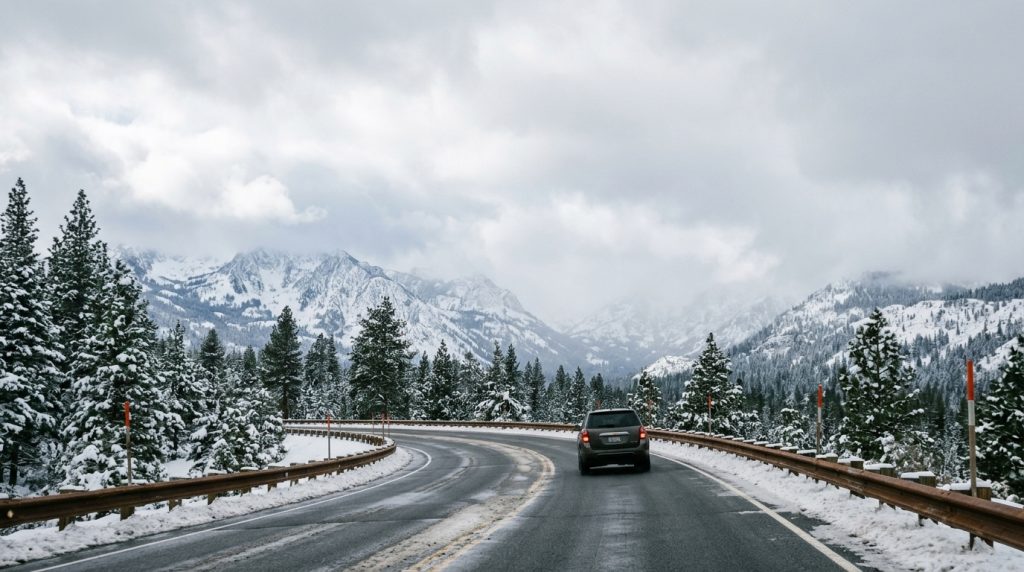
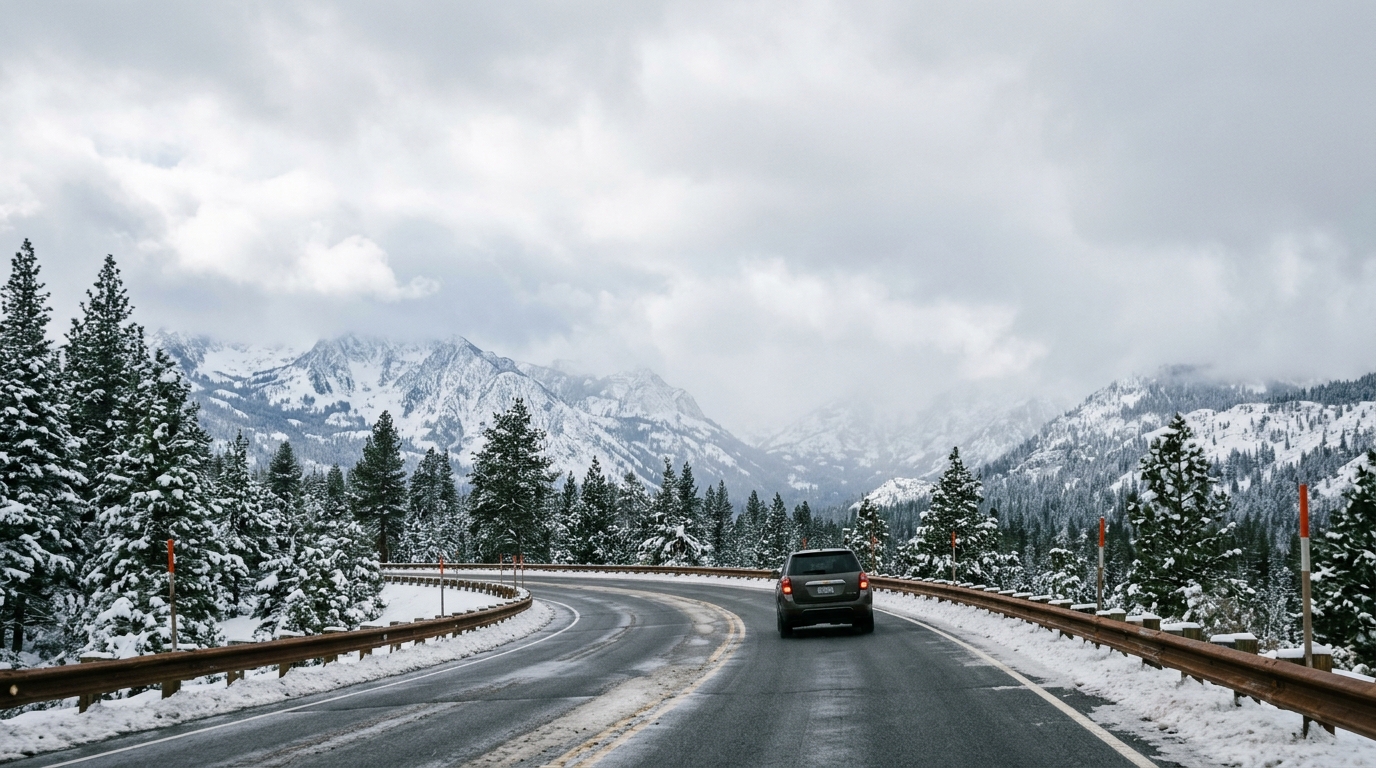
California winter road trip safety starts before the first mile. The state makes winter road trips unusually appealing. You can spend one weekend beside the ocean and another among snowy mountains. That variety also creates a planning challenge: conditions can change sharply across elevation, region, and time of day. A highway that looks clear on the map may have active chain controls, closures, or weather-related delays.
For late 2026 and the winter ahead, smart preparation matters more than an ambitious itinerary. Recent Caltrans advisories have highlighted seasonal closures and the risk of icy surfaces at higher passes. You do not need to become a weather expert to plan responsibly. You do need to check reliable information, prepare your vehicle, and be willing to change the route.
This practical guide covers winter travel in the Sierra Nevada, mountain passes, and coastal areas exposed to storms. If you are planning a seasonal foliage trip that may extend into colder weather, start with our Eastern Sierra road trip guide.
Check Road Conditions Before You Make the Drive
Pay special attention to the difference between a forecast and a highway restriction. A forecast describes likely weather; a road alert describes what officials currently allow. Both matter. Review warnings from the National Weather Service, then compare them with the live road report. If a storm is expected during your return journey, reconsider the entire itinerary rather than assuming the outbound trip is the only challenge. A flexible return date can prevent a difficult drive.
Begin with the route itself. Look at the roads you will use, the elevation they cross, and whether they commonly experience snow or storm closures. A direct drive through a high pass may be less reliable than a lower-elevation alternative. Do not assume a navigation app will recognize every chain checkpoint or temporary emergency restriction.
The best starting point is Caltrans QuickMap, which displays road incidents, closures, traffic controls, and chain requirements. Caltrans also provides highway information by telephone. Review the route the night before and again just before departure. Conditions can change after you check, so pay attention to roadside signs and official instructions during the drive.
Understand Where Snow and Ice Can Interrupt a Trip
Mountain routes near Lake Tahoe and the Eastern Sierra may experience winter controls. Interstate 80 over Donner Pass, US 50 near Echo Summit, and other higher passes can be affected by storms. Parts of Interstate 5, including the Grapevine area, may also close during severe conditions. Snow risk is not limited to remote scenic roads.
Elevation can matter more than the weather in your departure city. Sunshine in Sacramento or Los Angeles does not guarantee clear pavement farther uphill. Check the National Weather Service forecast for the destination and key mountain passes, not just the city where you will spend the night.
Know the Basics of California Chain Controls
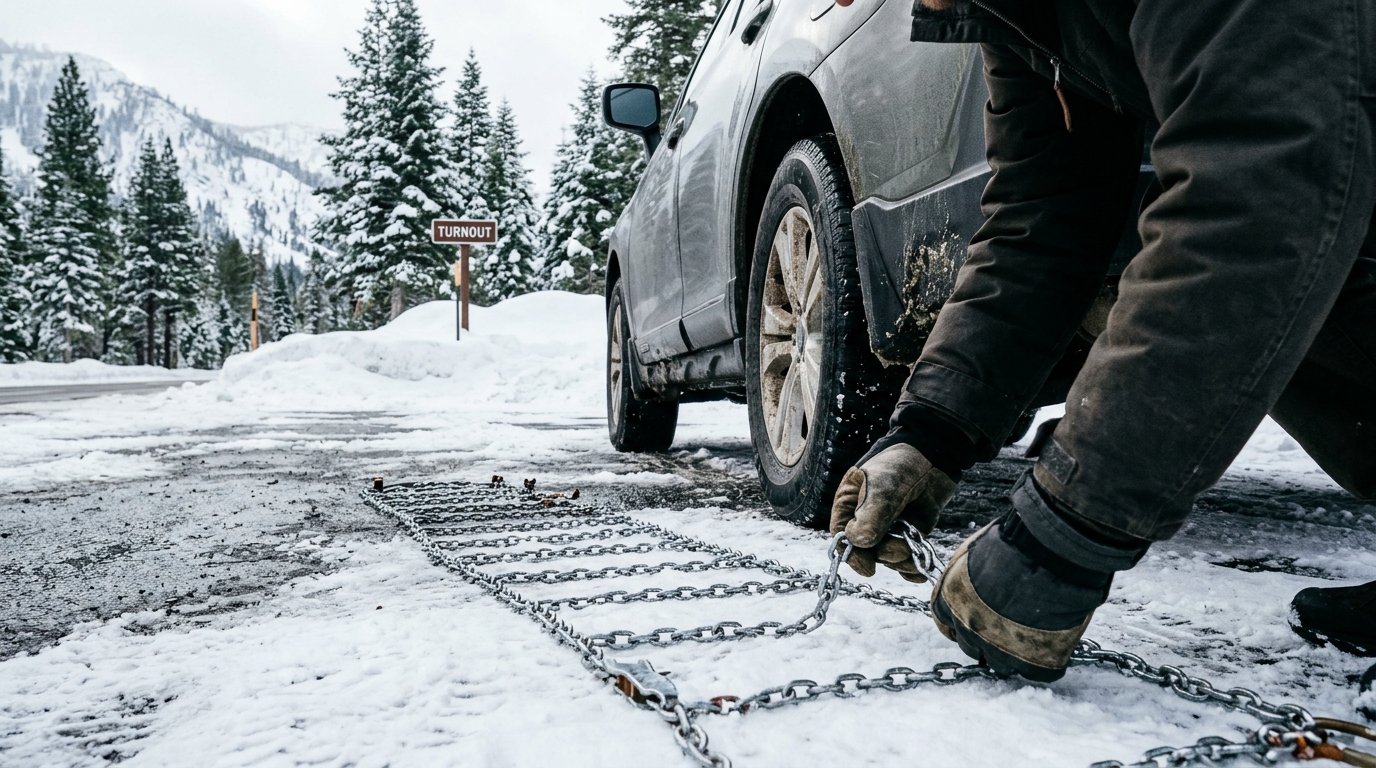
California uses several levels of chain requirements. At R-1, certain vehicles with appropriate snow tires may be exempt from installing chains, while others must use traction devices. At R-2, the exemptions are more limited. At R-3, all vehicles must use traction devices, although highways often close before that level is imposed.
Caltrans explains the conditions and exceptions in its official chain-control guide. Four-wheel drive does not automatically mean you can travel without carrying suitable traction devices. Follow posted controls and personnel instructions, check your vehicle manufacturer’s requirements, and practice installing approved equipment before you need it in bad weather.
Prepare for a Closure Instead of Hoping It Will Clear
Pack water, snacks, warm layers, necessary medication, a flashlight, and charging equipment. Keep an emergency blanket and basic roadside supplies in the vehicle. Make sure your phone is charged, and share your route with someone you trust. If you are traveling with children, pack extra food and clothing for them too.
A road closure may add several hours or force an overnight stop. Never drive around barriers or follow an unfamiliar backroad just because an app offers a shortcut. When officials close a highway, they are managing hazards that may not be visible from your vehicle.
Make Your Vehicle Ready for Winter Conditions
Before a mountain trip, inspect the tires, brakes, lights, wipers, and fluid levels. Check that your windshield washer fluid is suitable for the expected temperature. Clear every window before driving, not just a small viewing patch. Carry the equipment required for your vehicle and learn where its traction devices should be installed.
Even experienced drivers benefit from slower speeds on cold pavement. Leave more following distance and avoid sudden acceleration, braking, or steering. Bridges and shaded corners may stay icy after exposed sections improve. If visibility becomes poor, look for a safe place to stop rather than trying to maintain your usual schedule.
Adapt Your Driving Style to Snow, Rain and Coastal Weather
If you are driving a rental car, ask the company about permitted roads and approved traction devices before booking a mountain trip. Some contracts restrict chain use or travel on certain routes. If you cannot obtain suitable equipment, choose another destination. Also inspect how luggage is packed: emergency supplies should be reachable without unpacking the entire trunk in a storm. Preparation is only useful when the items you need are accessible.
Winter risks vary across California. Mountain regions may have snow and ice, while lower elevations can face heavy rain, flooding, fallen debris, or landslides. Coastal roads can be especially vulnerable after storms. The safest plan is not one fixed driving technique but a habit of changing speed, route, and expectations to match conditions.
For a coastal itinerary such as Big Sur Highway 1, verify closures and one-way controls even when the weather looks pleasant. The highway’s history of slides and repairs makes flexible plans important. A scenic destination is never worth driving through a restricted area.
Build an Emergency Plan Before You Need One
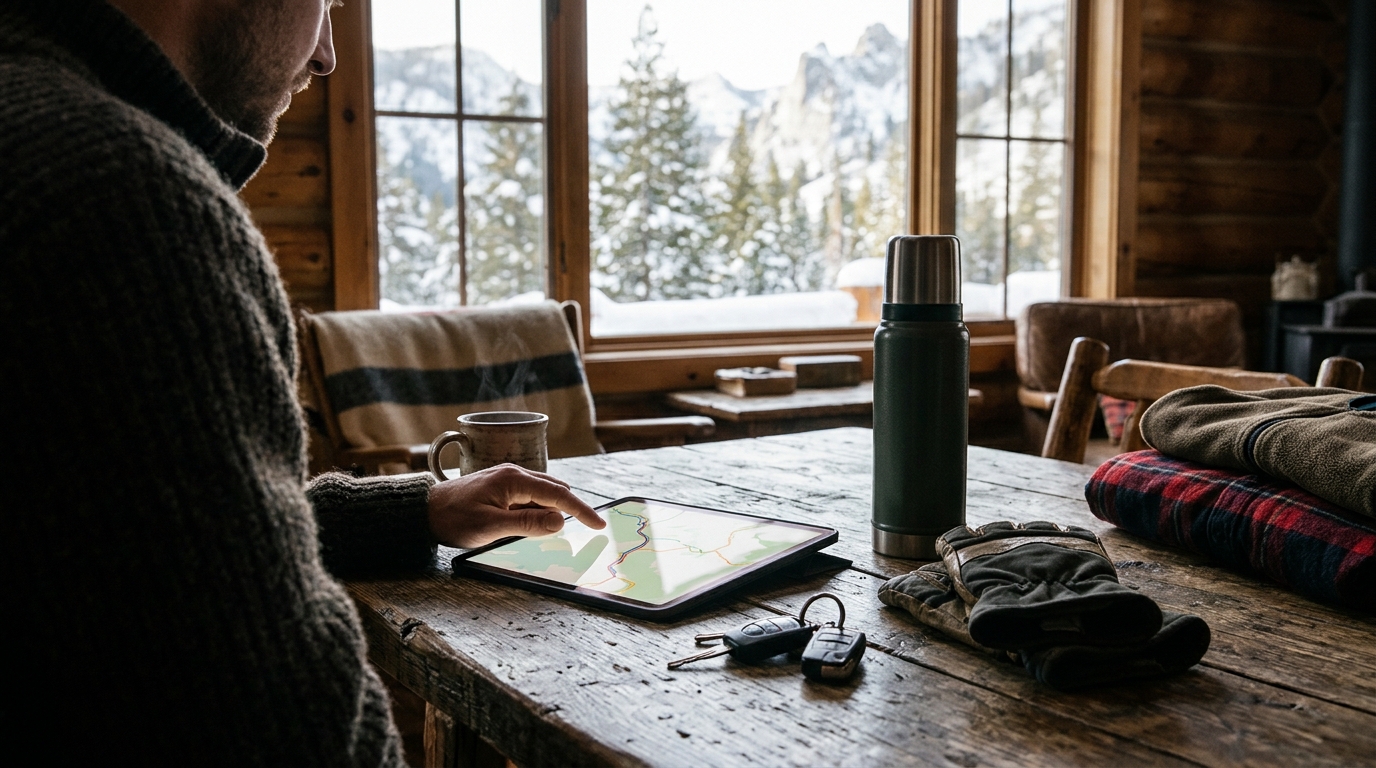
Decide in advance what would make you postpone the trip. Examples include a winter storm warning, a closure along the only practical access road, or a lack of appropriate traction equipment. Check the cancellation policy for your lodging and keep an alternate overnight location in mind. Flexibility is a safety measure, not a failure of planning.
Tell a trusted person where you intend to travel and when you expect to arrive. Download maps for areas with weak reception. If you get stuck, follow local emergency guidance and seek help when needed. Do not leave a safe vehicle to walk into a snowstorm without a clear, safe reason.
Drive Carefully Around Snowplows and Road Crews
Snowplows need space to operate. Their drivers may have limited visibility, and plows can send snow or debris across adjacent lanes. Do not crowd them or attempt risky passes. Caltrans recommends giving snow removal equipment generous space, including staying well back from a working plow.
In rain or fog, avoid unnecessary lane changes and keep headlights appropriate to conditions. Slow down through work zones even when no worker is immediately visible. Crews responding to storm damage are protecting everyone using the road, and patient driving makes their work safer.
Plan for Rain Even When Snow Is Not Expected
Rain can make roads slippery, reduce visibility, and conceal standing water. Never drive through flooded sections when you cannot judge depth or road stability. Find a safe alternative and follow official emergency messages. On winding roads, leave more room between vehicles and avoid hard braking on wet curves.
Check weather alerts for your destination as well as the entire route. Heavy rain in the mountains can affect a valley road downstream, while coastal storms can damage cliffs and shoulders. A good winter road trip includes a backup activity near your accommodation in case outdoor plans are unsafe.
Final thought: Winter travel in California can be wonderful when expectations match conditions. Check official updates repeatedly, carry the equipment your route requires, and give yourself permission to postpone a drive. A safer, slower trip is better than reaching a destination at any cost. For a gentler getaway alternative, see our California slow travel ideas.