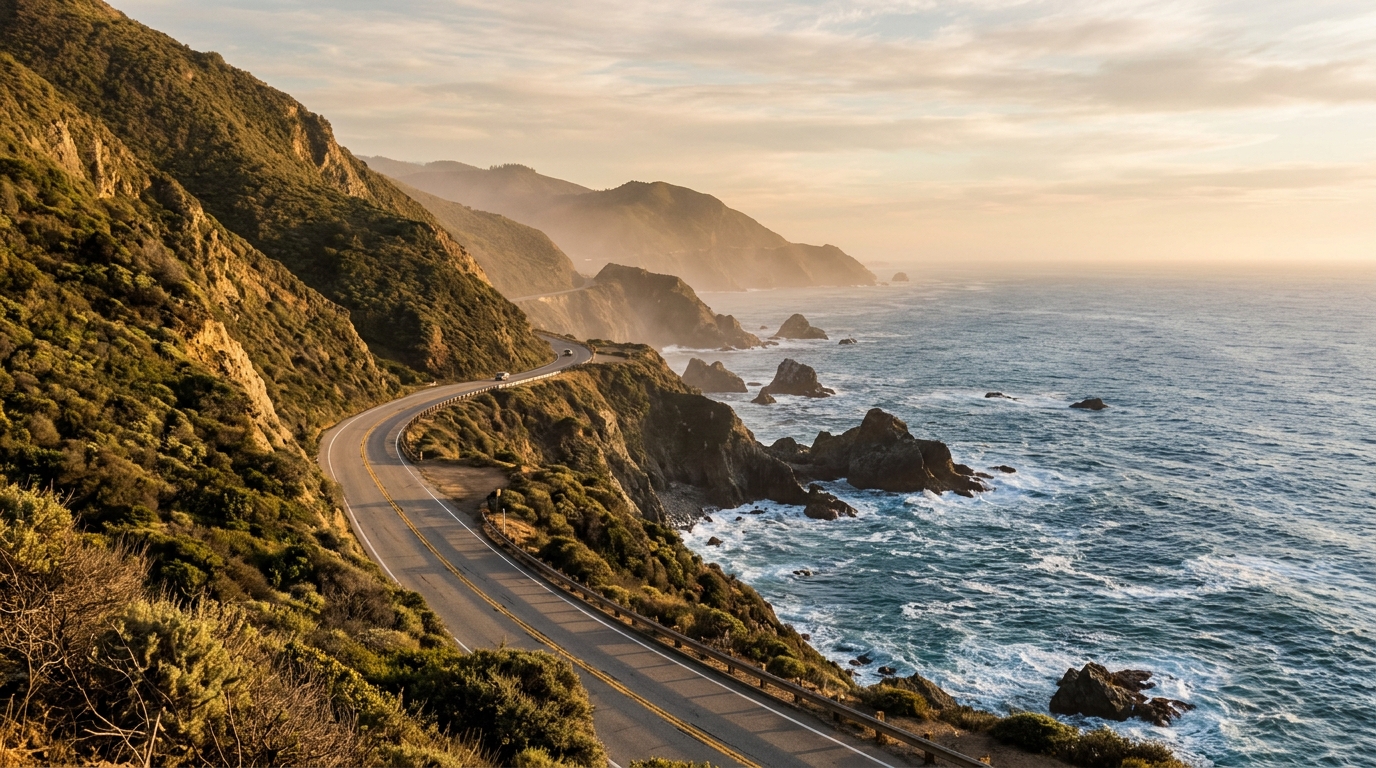
A Big Sur Highway 1 road trip captures California’s personality like few other drives. The coast seems to change around every bend. One minute the highway runs beside steep green slopes; the next, the Pacific fills the horizon. In 2026, the journey has added significance because a long-closed section near Regent’s Slide reopened earlier in the year, reconnecting the famous Carmel-to-Cambria corridor.
That does not mean road conditions stay the same every day. Big Sur is shaped by storms, fires, landslides, and ongoing repairs. Anyone planning a road trip should check current highway information before leaving, especially during late fall and winter. With a little flexibility, you can enjoy the coastline while keeping the schedule realistic and respecting the people who live along it.
This guide follows a north-to-south journey with stops worth considering, plus practical notes about access, food, and coastal safety. For another classic California route, explore our Route 66 centennial itinerary.
What Changed on Highway 1 in 2026?
Through-access headlines can also be misunderstood. A road can be open while some sections have alternating one-way traffic, work crews, or short delays. Rain can trigger a temporary restriction with little advance warning. When you check a road report, look beyond the word “open” and read the location and timing of any controls. If you plan a sunrise departure, check again before leaving because conditions may have changed overnight.
Caltrans announced the reopening at Regent’s Slide in January 2026, restoring a through connection that had been interrupted by major slide work. February storms then led to another temporary interruption before crews reopened the route again. The important lesson is straightforward: reopening news is not a promise that every mile will remain unrestricted during your trip.
As of an October 29, 2026 highway advisory, Caltrans reported one-way traffic controls at several locations along State Route 1. Verify the latest information using Caltrans highway conditions for SR 1 and QuickMap. Plan around the official status on your actual travel day, not a travel article published months earlier.
Begin with Carmel and the Northern Coast
Carmel makes an inviting starting point because you can stock up on essentials, have breakfast, and walk around before committing to the winding highway. Choose a relaxed departure rather than treating the first hour as a race. Fog can soften the coast, while clear skies reveal the dramatic headlands. Both are part of the Big Sur experience.
Travel south at a measured pace. Several legal turnouts provide ocean views, although popular stops can fill quickly. Do not stop in a live lane or block a driveway for a photograph. A good coastal itinerary includes time to enjoy the view from a safe location, even when that means passing a crowded overlook.
Make Bixby Creek Bridge a Short, Safe Stop
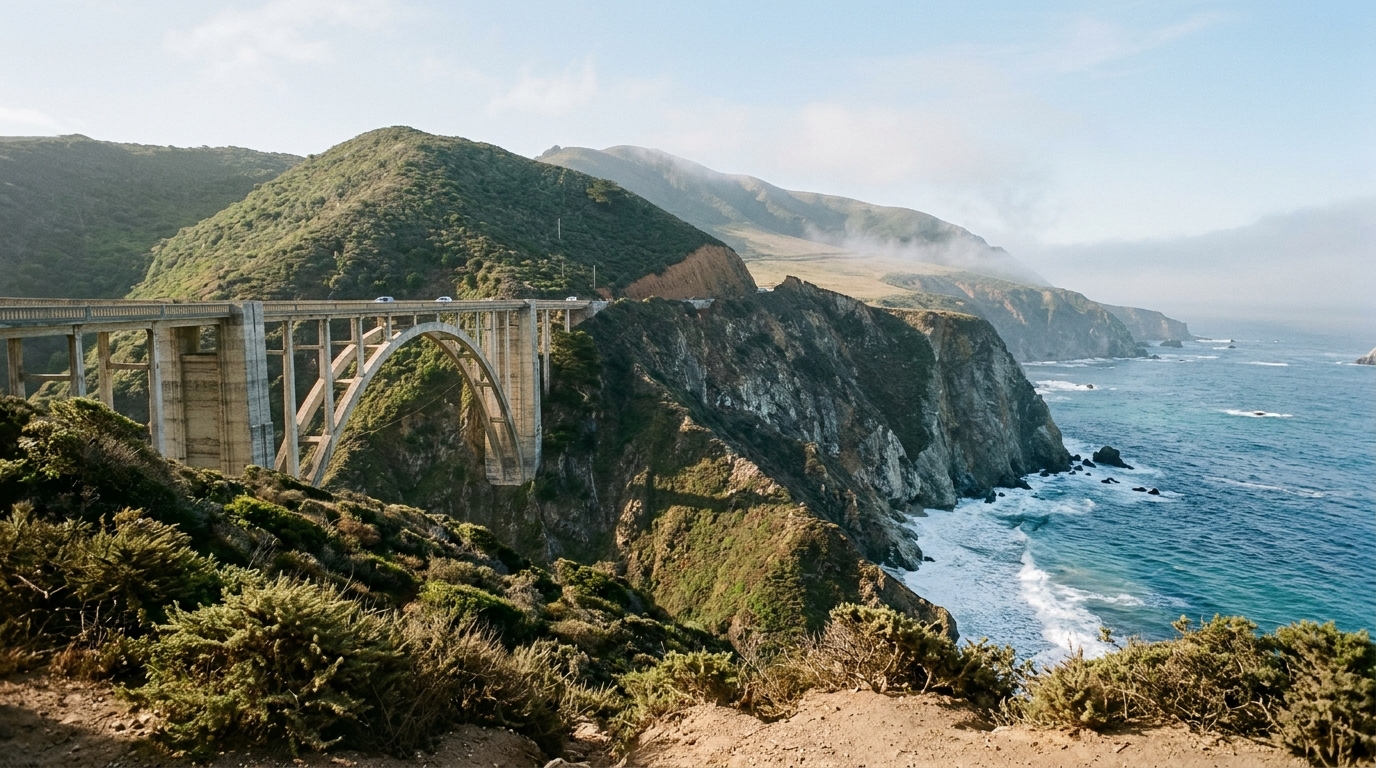
Bixby Creek Bridge is one of California’s most recognizable road-trip scenes. Its arch spans a deep canyon, and the surrounding slopes frame the structure beautifully. Photographs look especially dramatic when clouds create layers over the ocean. Yet the bridge area can become congested, with visitors walking close to traffic.
Follow all posted parking restrictions and avoid crossing roadways for a better camera angle. If a turnout is full, continue to another authorized stop. Nobody needs a bridge selfie badly enough to create a hazard. The drive remains spectacular even without a picture from the most popular viewpoint.
Enjoy Big Sur Village Without Overplanning It
The village area offers places to pause for food, coffee, or a short walk among trees. It also gives drivers a natural chance to rest after winding coastal miles. Before heading out, check hours and reservation policies directly with businesses. Limited staffing, weather, or seasonal schedules can affect availability.
Plan one good meal instead of assuming there will be a restaurant around every corner. Some stretches between settlements feel remote. Carry snacks and water, particularly if you are traveling with children. Supporting a local café or shop can also make the journey more connected to the community.
Continue Toward Coastal Parks and Cambria
The southern section of Big Sur rewards travelers who prefer dramatic scenery over a packed attraction list. Look for designated overlooks, state park opportunities, and viewpoints along the rugged coast. Parks may require entry fees or reservations, and certain trails can close for safety or environmental reasons. Check official park information before making a hike the center of your day.
Cambria works as a gentle finish or overnight base. Its walkable downtown and coastal setting provide a slower contrast to the mountain road. Rather than arriving exhausted after sunset, aim to reach your stopping point while there is enough light to find your accommodation comfortably. That leaves time to enjoy the town itself.
Plan a Big Sur Drive That Leaves Room for Surprises
Pack layers rather than assuming the coastal forecast will feel the same throughout the journey. Fog, wind, and afternoon sunshine can create very different conditions within a short drive. Keep a small day bag with water, snacks, a charged phone, and comfortable shoes. If you are traveling with a group, agree on your priority stops before leaving. That reduces last-minute arguments about whether to turn around for a viewpoint.
A full coastal trip deserves more time than the route’s mileage suggests. Scenic pullouts, slow traffic, changing weather, and unexpected closures can add hours. A one-way day trip is possible under favorable conditions, but an overnight trip gives you room for a proper lunch and a few short walks. Consider staying in Carmel, Big Sur, Cambria, or another established community.
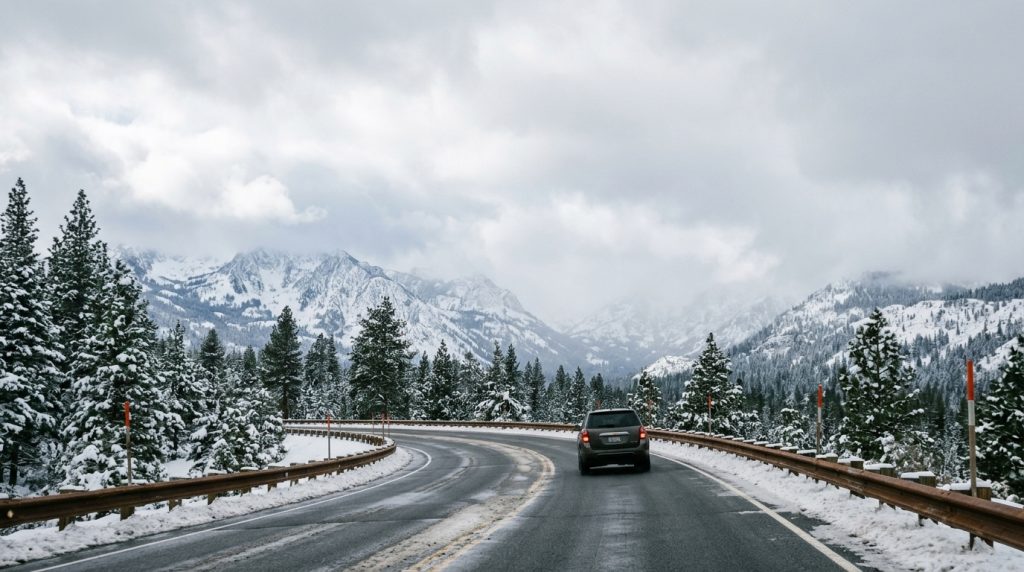
If travel restrictions interrupt your plan, use US 101 as a practical inland alternative rather than trying unverified backroads. Caltrans has specifically advised US 101 as a detour during past emergency closures. The coastline will still be there another day. See our California winter road safety guide for a fuller pre-drive checklist.
Choose Photo Stops and Hikes for the Actual Conditions
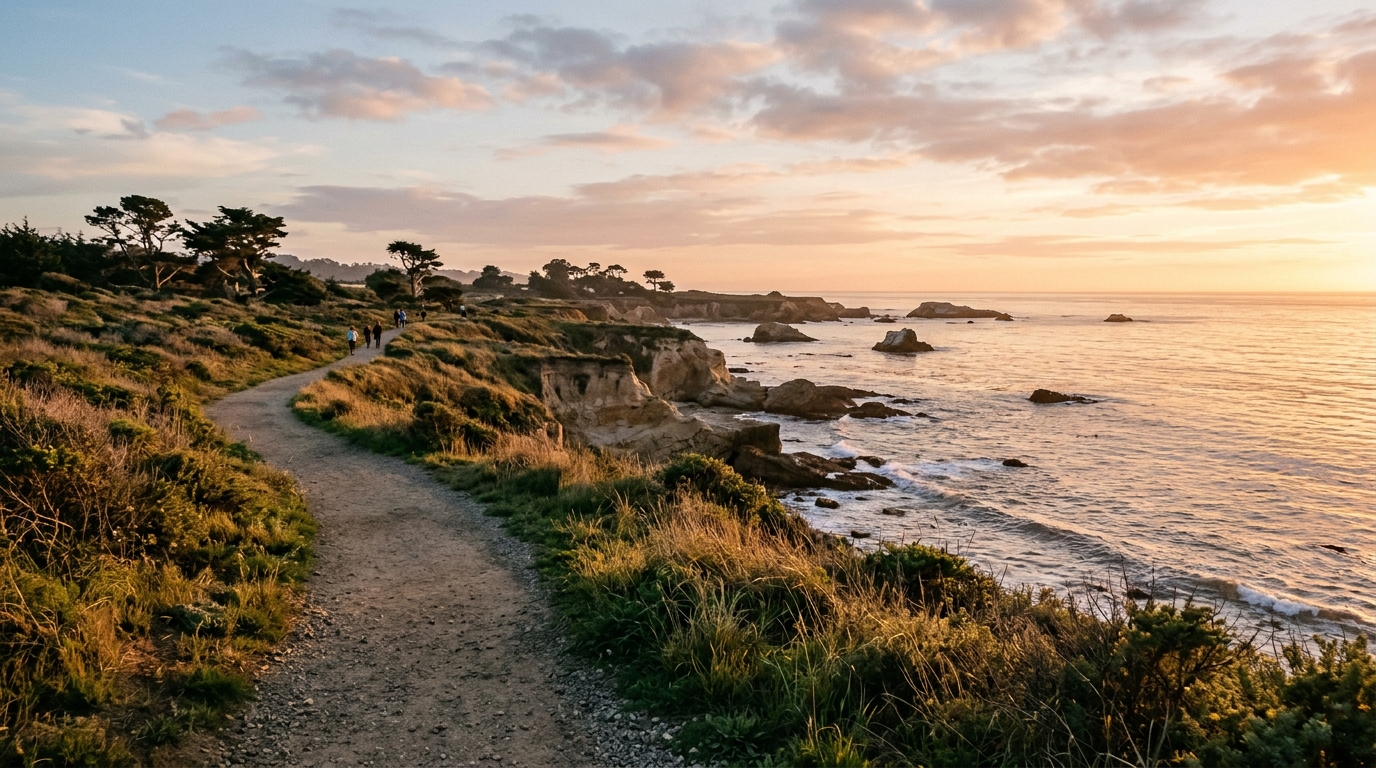
Many travelers arrive with a list of famous stops, but weather should guide the final choice. Strong wind, heavy surf, or rain may turn an exposed viewpoint into a poor place to linger. A forested walk or a café break can be a better option until conditions improve. Build the day around two or three priority experiences, then keep everything else optional.
Before visiting a park, look for trail advisories on California State Parks pages. Even short coastal paths may have steep edges, loose footing, or restricted access. Respect barriers and signs. Staying on established routes protects both visitors and fragile coastal vegetation.
Take Ocean Conditions Seriously
Beautiful beaches along Big Sur are not automatically safe for swimming. Cold water, strong surf, unexpected waves, and rip currents can be dangerous. California State Parks explains these risks in its official ocean safety guidance. Enjoy the shoreline from a safe distance, and never turn your back on the water while standing near the surf.
Keep children close and avoid climbing on wet rocks for pictures. If signs restrict beach access, follow them even when the beach looks peaceful. Conditions can shift much faster than someone unfamiliar with the coastline expects. A memorable visit should end with everyone returning home safely.
Travel Lightly Through a Living Community
Big Sur is not just a scenic backdrop. People work, commute, maintain roads, and raise families along this corridor. Keep noise down at viewpoints, pack out trash, and use public restrooms where available. Respect gates, private driveways, and no-parking signs. Small choices by thousands of visitors shape everyday life here.
Consider buying breakfast, lunch, or supplies from local businesses rather than bringing everything from outside the region. When plans change, be patient with staff and road crews. These communities have experienced difficult closures and disruptions. A slower, considerate style of travel is more rewarding for visitors and residents alike.
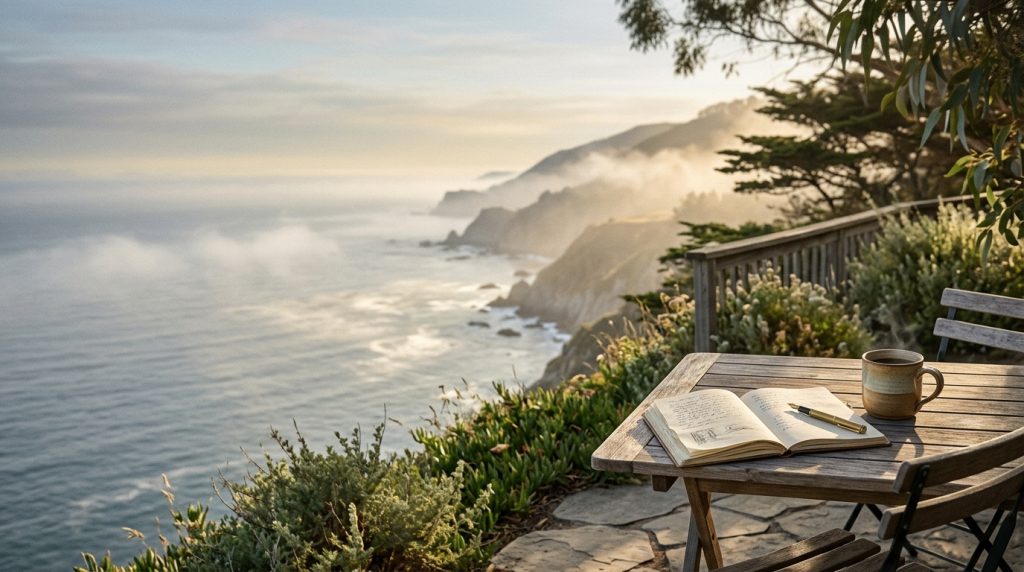
Final thought: The best Big Sur road trip is not defined by how many stops fit on a map. It is defined by the views you actually had time to notice. Confirm the road status, keep a backup plan, and let the coast set the pace. For more quiet coastal inspiration, read about slow travel weekend escapes in California.